News

High Stakes, Clean Plates: How Professional Gamblers Eat to Stay Sharp

Have you ever wondered how professional gamblers such as the notorious baccarat player Mikki Mase eat to stay sharp? While the glamour of the casino floor often overshadows the preparation behind the scenes, the truth is that a sharp mind and steady nerves are as critical as luck when millions are at stake. Nutrition plays a quiet but decisive role in the performance of high-stakes players, and for figures like Mase, who has lived through extremes both inside and outside the casino, it can mean the difference between focus and fatigue.

Why Nutrition Matters at the Tables

Unlike casual players who may visit a casino for a night of entertainment, professional gamblers often spend hours, even entire days, in mentally demanding environments. They must calculate odds, read body language, manage bankrolls, and keep emotions in check. These tasks require peak cognitive function, and diet can make or break that edge.

Heavy, greasy meals often found at casino buffets may provide comfort, but they can slow reaction time and cloud judgment. On the other hand, skipping meals can lead to jitters and impulsive decisions caused by low blood sugar. Striking a balance is the key.

The Diet of Discipline

Professional gamblers tend to approach their food intake with the same discipline they bring to bankroll management. Many adopt simple, nutrient-rich diets that deliver consistent energy. Lean proteins, whole grains, and vegetables are staples, while processed foods and refined sugars are usually avoided before serious play.

Hydration is equally important. Casinos are notorious for their dry air and bright lights, both of which can contribute to dehydration. Even mild dehydration can cause headaches and reduce mental clarity. This is why many gamblers prioritize water or green tea over alcohol and sugary drinks, which may dull focus.

Common Eating Strategies Among Pros

Several recurring themes emerge when looking at how high-stakes gamblers fuel themselves:

  • Small, frequent meals – Instead of indulging in large portions, many gamblers opt for smaller meals throughout the day to keep energy stable.
  • Protein focus – Chicken, fish, or eggs provide the stamina needed for long sessions without the crash associated with carb-heavy meals.
  • Caffeine in moderation – Coffee or tea is common, but pros know to limit intake to avoid spikes and crashes.
  • Portable snacks – Nuts, fruit, or protein bars often serve as quick fuel that can be eaten without leaving the table for long.

This approach ensures steady concentration and prevents the sluggishness that comes from poor food choices.

Psychology and Ritual

Food for gamblers is not just about nutrition, it is also about psychology. A pre-game meal can serve as a ritual, signaling to the brain that it is time for business. Like athletes who eat specific meals before competition, gamblers use food to create consistency and mental readiness.

Meals can also be social. Many professional players use dining breaks to decompress, exchange strategies, or mentally reset before heading back into high-pressure situations. In this sense, nutrition doubles as a mental health tool, helping to reduce stress and burnout.

Beyond Nutrition: A Holistic Approach

While food is a major factor, it is only one part of a broader lifestyle that successful gamblers cultivate. Sleep, exercise, and stress management all play crucial roles in sustaining performance. The rise of gambling influencers and livestreamed poker has further highlighted this reality. Fans not only see the cards but also glimpse the routines and lifestyles that underpin success.

Even controversial figures like Mikki Mase illustrate this principle, using their platforms to highlight the connection between personal discipline and gambling performance. His story underscores how nutrition, fitness, and mindset work together to keep gamblers sharp under pressure.

Final Thoughts

The image of a professional gambler may conjure scenes of cocktails, cigars, and lavish casino dinners, but the reality is far more disciplined. Nutrition is a subtle yet powerful part of the game, giving players the clarity to make split-second decisions that could be worth millions.

For those who live by the turn of a card, high stakes demand clean plates. And in the long run, the smartest bet is not always on the table, but on the choices made in the kitchen.

London’s best restaurants

If not exceptional, English cuisine has been described as "unique." And what better place to begin than in a traditional London restaurant and cafe in the park? For a foodie who values both the quality and the beauty of English cuisine, the British capital is a true treasure. In this regard, the top restaurants in London are comparable to those in other major cities throughout the world. It's almost impossible to go past them because they're unique, cozy, and exquisite. There are also a few high-end Michelin-starred eateries worth visiting. They are and have always been London's finest gastronomic attractions, being fashionable and sophisticated.

takeaway sunday lunch near me

The London Shell Company is ideal for a romantic stroll.

The London Shell Co is a beautiful waterside restaurant that will take you on a tour of London's famous Regent's Canal. Guests can not only have a delectable dinner but also take in the stunning views of the city for hours. The meal is centered on fish and seafood. Also remarkable is the great wine list, which appears to have all of the top varietals. The restaurant is small, with only 40 seats, but it has a relaxing ambiance. It's the ideal spot in London for a wonderful waterside dining.

Traditional English culinary enthusiasts will want to stay in St John's.

One of London's trendiest, most respected, and costly restaurants, which has gained a Michelin star, is located right close to the ancient Smithfield Meat Market. St John's has been the undisputed emblem of the nation's cuisine for nearly two decades, serving traditional meals fashioned from kidneys, heart, liver, and even tripe in a no-frills setting. The Michelin-starred restaurant's cuisine, however, does not stop there. Fergus Henderson, the chef of St. John, is regarded as a master of his trade and a major figure in the world of cuisine. Many culinary wonders have come from his hands, like brawn bones with parsley salad and classic English puddings. You can also have traditional British desserts like Eton Mess. In summary, any visit to London should include a stop at St John.

Park Terrace Restaurant is a great place to have a tea ceremony.

Another popular and pricey restaurant in the capital is located in the five-star Royal Garden Hotel. It is well-known not only for its location, but also for its great cuisine. It is also believed to be the best venue in London for a typical English afternoon tea. The delightful view that opens in the famed Kensington Gardens is the restaurant's major "feature." The menu of Park Terrace Restaurant, like that of many other London restaurants, is well balanced and capable of pleasing customers with outstanding appetizers, delectable meat and fish main courses, and elegant desserts. The huge collection of British cheeses from Neal's Yard - cheeses from the famous London shop - deserves special note. You can also reserve a seat for afternoon tea at the restaurant and partake in a traditional tea ritual. On the table are delectable pastries, beautiful cakes, and sandwiches.

The best restaurant with a traditional English feel is Rules.

Rules must be included in any list of trendy and famous restaurants in London. It began as a humble oyster bar in 1798, but it quickly became London's most famous location. Many prominent cultural and artistic figures have visited I including Charles Dickens and William Thackeray, Charlie Chaplin, Laurence Olivier, Clark Gable, and many others.
Essential Coffee Shops in London

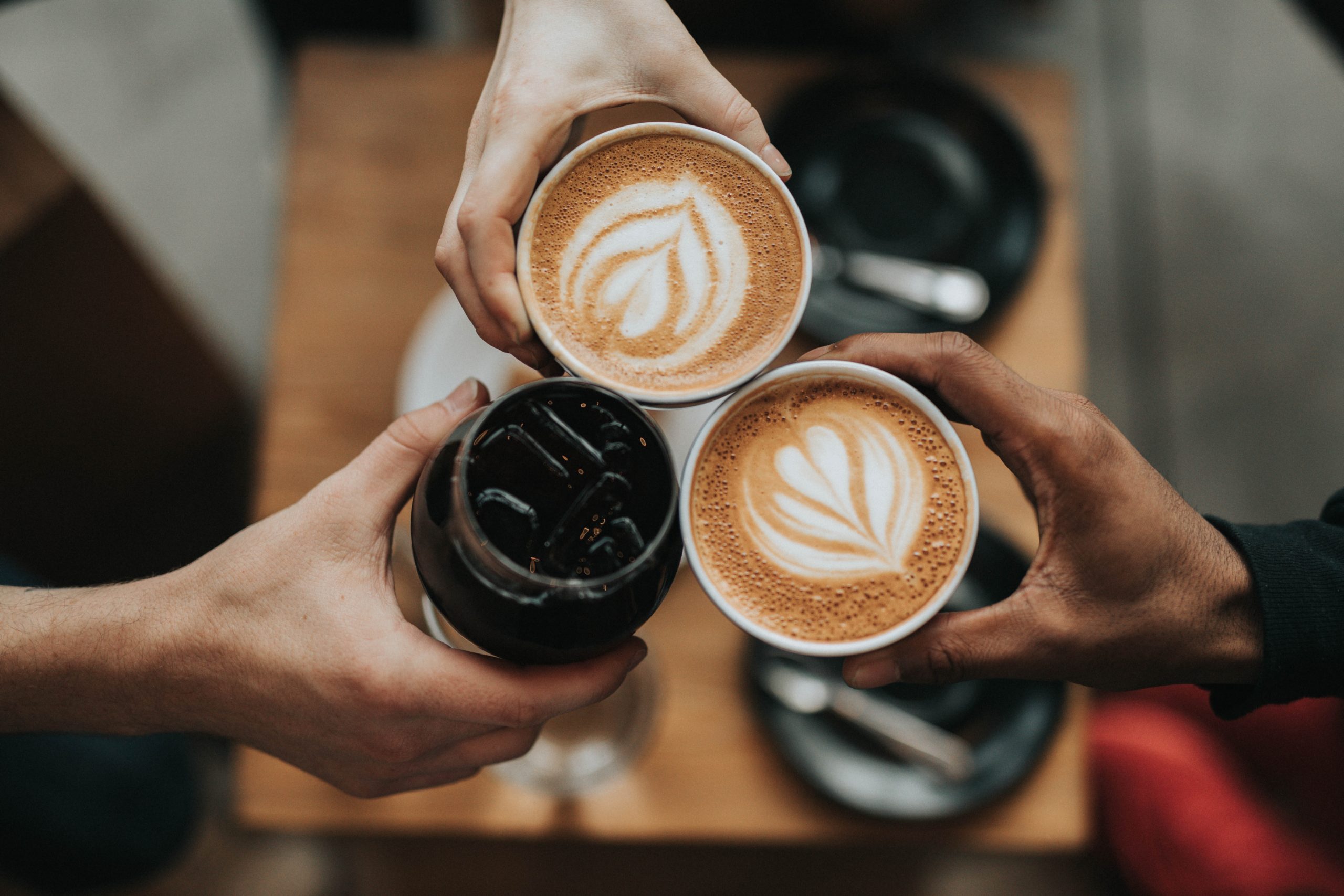
When it comes to coffee, London does not disappoint. While the typical cup of coffee consumed in London cafe on the corner may not reach the heights of Melbourne, Seattle, or any of the Scandinavian capitals, the number of outlets that look beyond the ordinary joe is steadily increasing. Workshop and Square Mile are the two biggest roasters in the city, with Dark Arts (Hackney), Assembly (Brixton), and Alchemy (Wimbledon) also participating. These are the brightest lights on the London scene, and they frequently seek inspiration as well as beans from roasters all throughout Europe and the United States. Because of coffee's baked-in takeaway model and the relative ease with which one-way measures, masks, and social distancing may be implemented, a conclusive list for the city can still be written, even if certain locations are only open for takeaway. Take a look at the greatest new coffee shops in London.

fray bentos breakfast pie

Kapihan

Nigel and David Motley's new home in Battersea Park not only serves up gorgeous, meticulous Filipino baking, but also single-origin coffee from the Philippines, Indonesia, Thailand, and Myanmar, places that specialty coffee has only recently begun to recognize or which are still mostly ignored. Guest roasts from Nomad in Barcelona are complemented by a natural Filipino coffee with peaches and caramel flavors.

Campbell & Syme Coffee Roasters Cafe

Campbell and Syme, one of the most reliable cafes in the game and a local favorite in East Finchley, is now open for business, serving two espressos and three filters from its rotating cast of single origin coffees. Currently, a macerated natural process coffee from Honduras and another from the well-regarded Aricha area in Sidamo, Ethiopia stand out.

Coffee in the Workshop

Coffee Workshop has beaten out former mini-chain rivals Taylor Street and Department of Coffee to become the city's best multi-location coffee operator. Milk drinks are soothing, espressos are delicious, and filters are consistently clean throughout all of the company's locations.

Caffeine

Even in the context of its second location on Eastcastle Street, the influence of this Fitzrovia cafe cannot be overstated. Another Square Mile institution, the initially short-lived (but now thankfully reinstated) guest espresso program brought international roasters to the heart of London, emphasizing the rarity and distinctiveness of the coffees offered by only being available on weekends. It's as easy as that: extraordinary consistency and a drive to innovate.

Omotesando Koffee

In London, specialty coffee, or drinks made with high-quality beans, accuracy, and, if wanted, milk tempered into supple smoothness, is easy to come by. Quality drinks prepared, explained, and served in a way that befits such drinks expressing something culturally distinct remain incredibly rare in specialty coffee. Omotesando, a newcomer from Japan, rejects the airspace aesthetic, favors involvement over efficiency, and mixes meticulous preparation with the echoes of Italian and Japanese espresso cultures.

Rosslyn Coffee

Rosslyn is an instance of how far London has come and where it can go, with firm roots in both Melbourne and London's specialty coffee communities, the former entrenched, the latter still evolving. Many of the establishments on this list will unofficially suggest a lighter, fruitier espresso straight and a deeper, more chocolaty espresso in milk. Rosslyn takes it a step further by choosing two distinct Origin coffees to seal the deal. Rosslyn might represent a pattern for the next phase in the evolution of specialty coffee in London, with a far-reaching guest program that looks to tradition, with Five Senses from Australia, and at the cutting edge, with La Cabra from Denmark.

High Stakes, Clean Plates: How Professional Gamblers Eat to Stay Sharp
London’s best restaurants
Essential Coffee Shops in London